Attention Ophthalmology ST1 applicants
Why do candidates who know their ophthalmology still struggle in the ST1 interview?
The answer is thirty seconds down this page
Because it is a conversation, not an exam.
The ophthalmology ST1 interview is two stations, and each one is a consultation with an actor playing a patient or carer. What you know only scores once you have said it, in plain words, to somebody who does not share your vocabulary.
It is held online, in March 2027. Here are the ophthalmology interview stations and the rules around them, as NHS England publishes them, with what each means for how you prepare.
Station one: clinical knowledge
A medical consultation focusing on clinical knowledge, with an actor playing a patient or a patient's carer.
Station two: communication or ethics
A medical consultation about a difficult communication or ethical scenario, with an actor playing a patient or a patient's carer.
Up to ten minutes each
Ten minutes is the most you get, not a target to fill. Reach your plan and your safety-netting early, rather than saving them for the end.
Five minutes' reading before each
The scenario is shared then, and you can make notes and take them in with you. Use the time to write down the structure you will follow.
Either station can come first
They are labelled interview 1 and 2, but you may start in either. Prepare both to the same standard, because you cannot choose your warm-up.
Assessors you cannot see
Two assessors watch and score you, and you will not see or hear them. The only reactions you get are the actor's, so practise carrying a consultation without a nod from an examiner.
The interview is half your final ranking.
Your MSRA score is not part of that total, so at most twenty minutes of talking count for as much as your whole evidence folder.
Ophthalmology interview practice, out loud.
Reading around the subject builds what you know, not how you say it. The interview is spoken, timed and one to one, so practise that way. A friend playing the patient helps when you can find one. SmartOST gives you a patient whenever you want one, and feedback on what you actually said.
| SmartOST | A friend playing the patient | |
|---|---|---|
| Patient | An AI patient for each case, with a voice cast for them and a history to uncover | Whoever is free, reading the brief aloud |
| Cases | 30 ophthalmology interview cases: 15 clinical, 15 communication and ethics | The scenarios you can find between you |
| When | Whenever you have ten minutes | When you can both find the time |
| Timing | You set the call's length before you start | Whoever keeps an eye on the clock |
| Feedback | Five dimensions, each point quoting your own answer | Their impression afterwards |
| Follow-up | A coach chat to ask why an answer was weak and how to fix it | Whatever they remember |
Feedback on what you actually said.
The assessors score against set criteria, and NHS England does not publish them. SmartOST's feedback reads the transcript of your call and gives you strengths and improvements on five dimensions of a good consultation, each with quotes from your own answer.
Rapport, introduction, structure and flow
Whether you introduced yourself, set an agenda, moved through history, explanation and plan, and closed with a summary.
Empathy, listening and patient perspective
Whether you asked open questions, picked up cues, and explored the patient's ideas, concerns and expectations.
Medical explanation and plan
Whether you explained in plain English, checked understanding, gave a safe plan and safety-netted.
Honesty and transparency
Whether you were open about your role and what is uncertain, and said when you would involve a senior.
Appropriate pace
Whether the consultation felt balanced: not rushed, no interrupting, time for the patient to speak.
A summary ends with up to three things to work on. Then ask the coach chat about any weak answer: why it fell short, and what to say instead.
One ophthalmology ST1 mock interview station at a time.
Pick a case, clinical or communication and ethics, and run it as many times as you like.
Read the case
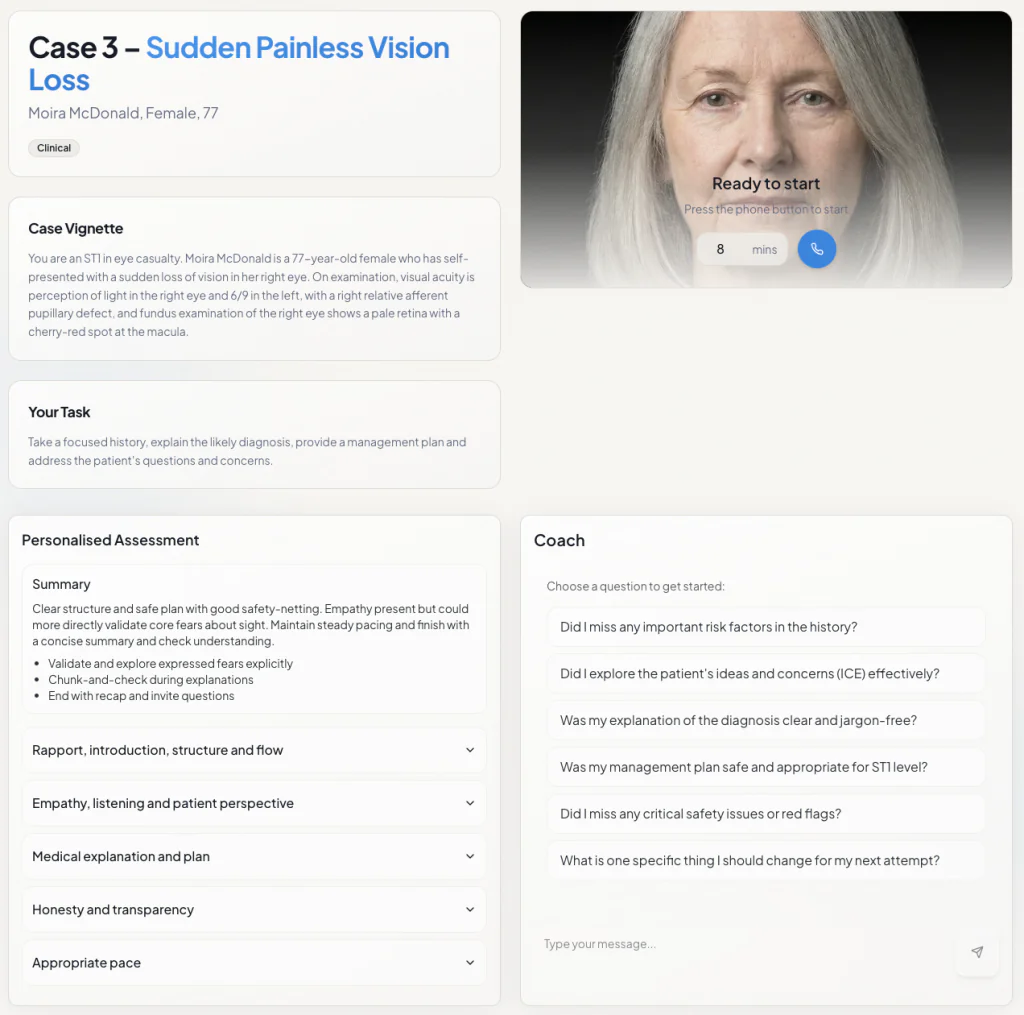
Each case opens on its vignette and your task, the way the five minutes' reading opens each station.
Speak to the patient
Set the timer and start the call. The patient answers in a voice cast for them, and the history is yours to uncover.
Read your feedback
Strengths and improvements on each of the five dimensions, quoting what you said, and a summary of what to work on.
Ask the coach
Ask why an answer fell short and what to say instead. The coach answers from your transcript and the case's model answer.
The case, the call, the feedback and the coach.
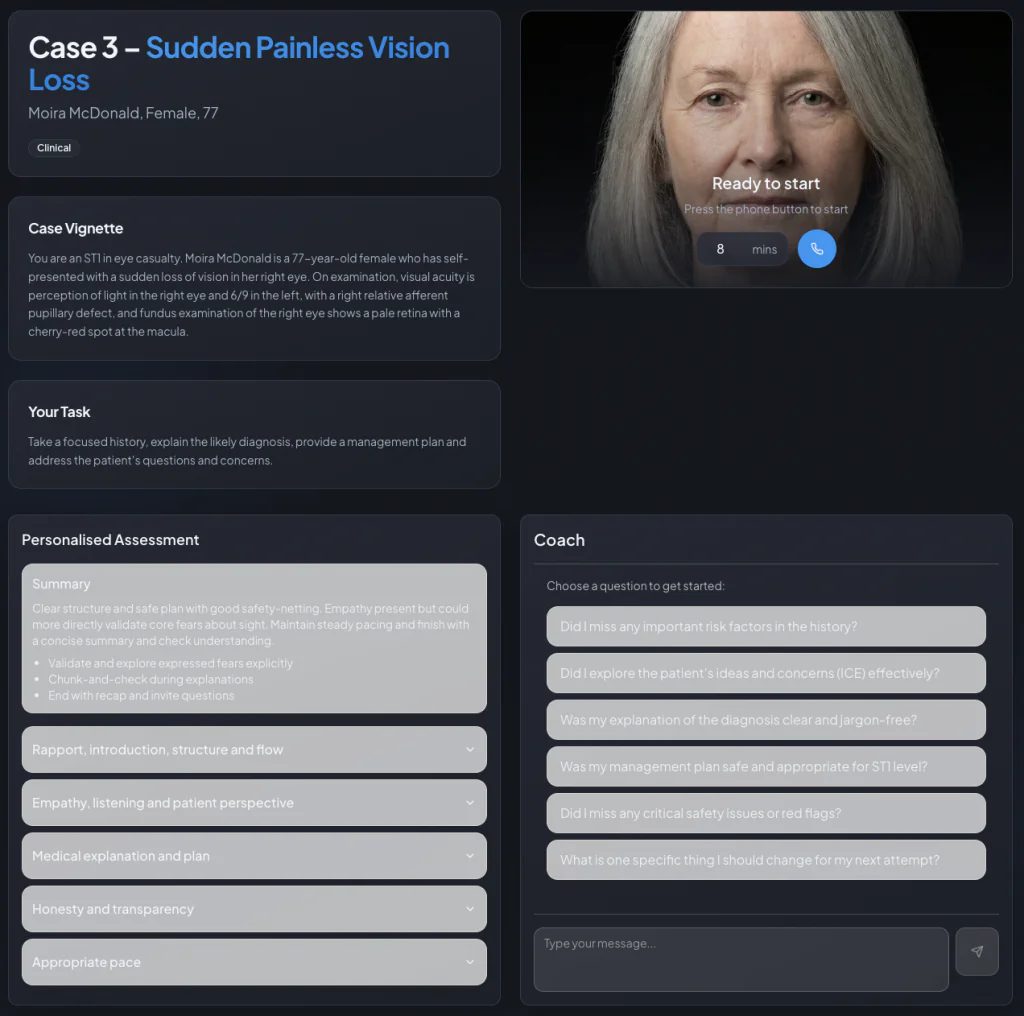
The vignette and your task, the call with its timer, the feedback on all five dimensions, and the coach's first questions, on one screen.
The SmartOST team
A team that knows Ophthalmology ST1 and knows how to build AI products.
SmartOST was born out of Keane AI's research lab, combining top-ranked London North Thames Ophthalmology trainees with AI researchers and engineers. We bring the practical know-how of getting into training and the technical expertise to build tools that make preparation smarter, faster, and less stressful.

Dr Mertcan Sevgi
Co-founder & Coach
Ranked in the top 1% of applicants, securing a spot as an ST1 in the London North Thames deanery. Brings startup and scale-up experience, with a focus on voice AI and user-first product development.
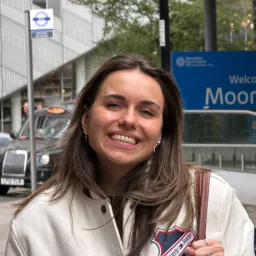
Dr Virginija Vilkelyte
Coach
Ophthalmology trainee (ST1, Moorfields Eye Hospital) and top-scoring applicant in national ophthalmology specialty training selection. Helps aspiring ophthalmologists maximise their portfolio and interview performance, giving them the best possible chance of securing an ophthalmology training post in their preferred location.
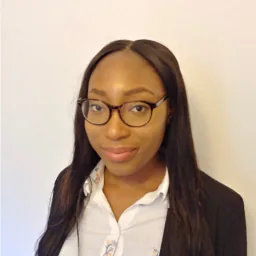
Dr Vanessa Otti
Coach & Content Lead
Ophthalmology registrar (ST2, London North Thames), ranked in the top 1% of applicants nationally. Creates curated, high-yield learning resources delivered straight to members.
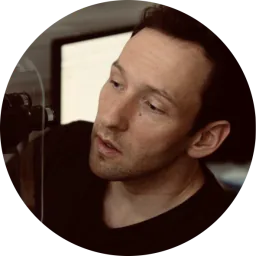
Dr David Merle
Co-founder
Retinal specialist and Senior Research Fellow in the Keane AI Lab. He is currently driving development of our next products, designed to support you as you begin ophthalmology training. Stay tuned for updates.
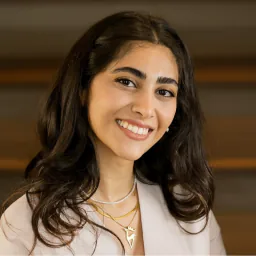
Dr Negin Sanadgol
Intern
Clinical Research Fellow with Keane AI. At SmartOST, Negin is leading on quality improvement projects to measure and improve our impact.
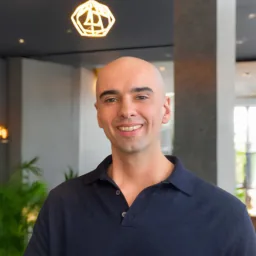
Frederick Lewis
Founding Engineer
Engineering degree from Imperial College London. Software and AI engineer building fast, reliable, user-first product experiences at SmartOST.
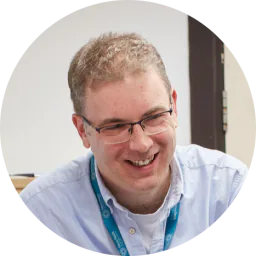
Professor Pearse Keane
Strategic Advisor
Professor of Artificial Medical Intelligence at the UCL Institute of Ophthalmology and Consultant Ophthalmologist at Moorfields Eye Hospital. Founder of the Keane AI lab.
What candidates say about the cases.
“I can't believe how good this is. I've already done all the cases and I'm waiting for more to be released.”
“The conversations feel really realistic. It actually feels like you're speaking to a real patient.”
“I love the different characters and the accents. It makes practice fun and way less repetitive.”
“The feedback feels fair and it matches the mark scheme. It points out the same things my supervisors mentioned.”
“The coach chat was so useful. I could ask why my answer wasn't strong enough and how to improve it for next time.”
“The cases feel clinically realistic. It's proper ophthalmology and it mirrors what comes up in real stations.”
“I never thought speaking to an AI voice could feel this realistic. I genuinely felt like it was a real patient.”
“I wish I had this when I was preparing, this definitely increases chances of success. It's hard to always have someone available to practice with.”
Simple pricing
SmartOST Interview
Ophthalmology interview prep you do out loud. Pay for the minutes you spend talking.
Then choose a minutes package.
- 50minutes£24.99
- 100minutes£49
- 300minutes£99
- 600minutes£149
Ophthalmology interview practice questions
Talk to your first patient tonight.
Sign up, pick a case and spend your 15 free minutes out loud. Read what you said, quoted back to you, and then decide whether a minutes package is worth it.
P.S. On the day, two assessors you cannot see will score at most twenty minutes of talking, and that is half your final total. Your first 15 minutes of practice are free.